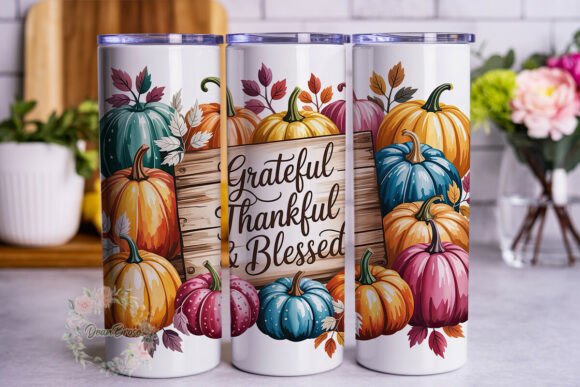
Grateful Thankful Pumpkins 20oz Wrap Review
As a designer who spends countless hours testing digital assets before they ever hit a sewing machine, I approach every new download with a mix of excitement and skepticism. When Grateful Thankful Pumpkins 20oz Wrap landed in my inbox, I didn't just see a seasonal graphic; I saw potential for a high-value product line. However, the reality of embroidery is that a beautiful image on a screen does not always translate to a flawless stitched result. This review breaks down exactly how this design performs when moved from a digital preview to a tangible, finished product.
The First Impression: Mood and Layout
The moment you open the file, the visual personality of Grateful Thankful Pumpkins 20oz Wrap speaks volumes about its intended use. The layout is centered and balanced, creating an immediate sense of warmth and autumnal comfort. It captures the essence of "fall" without relying on clichés. The typography feels inviting, suggesting a personal touch rather than a mass-produced item. For a designer looking to create personalized gifts or boutique merchandise, this mood is exactly what drives customer engagement.
The dimensions provided, 9.3″ x 8.2″, are substantial. This isn't a tiny detail meant for a buttonhole; it is a statement piece designed to cover a significant surface area. The resolution at 300 DPI ensures that the edges remain crisp when converted for stitching, which is crucial for maintaining the professional look of your final output. The inclusion of files for both straight and tapered tumblers shows an understanding of modern vessel shapes, making it versatile for various container styles.
Real-World Application: From Screen to Stitch
I recently put this design to the test by adapting it for a custom embroidered tote bag project. While the original intent is for tumbler wraps, the aesthetic translates beautifully to fabric. Imagine a heavy canvas tote featuring this design in warm oranges, deep reds, and sage greens. The visual appeal here is strong because the design has enough negative space to breathe, preventing the embroidery from feeling cramped.
However, applying this to different materials requires strategic thinking. If you are using this as a tote bag design, the fabric texture plays a massive role. On a smooth cotton canvas, the stitches lay flat and show excellent clarity. But if you attempt to stitch this onto a textured burlap or a thin linen, the density of the fill areas might cause puckering. I also tested the concept on a baby onesie, imagining a smaller version for a nursery wall hanging. The theme fits perfectly, but the scale needs adjustment to ensure the details don't get lost on such a small garment.
For Etsy sellers and small shop owners, the versatility of this asset is a major selling point. You could create a matching set: a kitchen towel with the pumpkin motif, a sweatshirt embroidery for a cozy fall day, and a pillow cover for the living room. The consistency in the design language helps build brand recognition. Customers often buy multiple items when the visual style is cohesive, and Grateful Thankful Pumpkins 20oz Wrap provides that anchor.
Technical Challenges and Where to Be Careful
No design is without its hurdles, and knowing where to apply caution is what separates a hobbyist from a pro. One of the primary concerns with any large-format design like this is the hoop size required. The 9.3-inch width means you will need a fairly large embroidery hoop. If you are working with a standard home machine that only accommodates smaller hoops, you may face challenges with hooping stability, especially on curved surfaces like caps or hats.
Stitch density is another critical factor. If the design includes dense satin stitches for outlines or thick fill stitches for the pumpkins, you must ensure your stabilizer can support the weight. Using the wrong stabilizer on a stretchy fabric could lead to distortion, ruining the symmetry of the text. I recommend testing the design on scrap fabric first to check the thread color contrast. Dark fabrics might require a underlay or a specific thread choice to make the lighter elements pop, while light fabrics need careful tension settings to prevent the background from showing through the gaps in the stitches.
Be particularly cautious with detailed corners. If the design features intricate flourishes or small lettering, these areas are prone to breaking threads or losing definition during the washing process. For products that need frequent washing, like aprons or tea towels, ensure the stitch count is robust enough to withstand friction. Also, avoid using this on highly textured fabrics where the needle cannot penetrate cleanly, as this will result in skipped stitches and a messy finish.
Visual Impact and Customer Perception
In the world of handmade goods, presentation is everything. A well-executed embroidery project builds trust and justifies a higher price point. Grateful Thankful Pumpkins 20oz Wrap has the potential to elevate a simple tumbler into a premium gift item. When customers see a clean, professional stitch job that matches the digital mockup, their confidence in the quality of the entire product increases.
This design also enhances the "giftability" of your items. The "Thankful" message resonates emotionally, making it perfect for holiday gifting, teacher appreciation, or family gatherings. The visual clarity of the design ensures that the sentiment is read correctly, even from a distance. For commercial embroidery projects, this level of detail suggests a high-end finish that aligns with boutique branding standards.
Practical Designer Notes for Success
Before you commit to a full production run, there are several steps you must take to ensure success. First, always confirm the licensing terms. Just because you own the file doesn't automatically mean you have the right to sell the finished physical product. Check the specific license agreement included with your purchase to avoid legal issues.
Next, focus on thread selection. The colors you choose will define the character of the final piece. Test different thread combinations to see how they interact with the fabric. A metallic thread might add a festive touch, but it could also snag more easily. Review the stitch density in your software; if the design looks too heavy, consider reducing the fill percentage slightly to improve drape and flexibility.
Don't forget to inspect small details. Zoom in on the digitizing file to check for any loose ends or overly tight angles that might cause thread breaks. Use proper stabilizer for the specific fabric type you are working with—cut-away for stability on knits, tear-away for wovens, and adhesive for tricky surfaces. Finally, compare your design in black and white mockups to ensure the contrast remains effective regardless of the color palette used.
Ultimately, Grateful Thankful Pumpkins 20oz Wrap is a strong candidate for your next collection. It offers a blend of seasonal charm and practical layout that works well across various mediums. By paying attention to the technical nuances of stitching and fabric choice, you can transform this digital asset into a stunning, market-ready product that delights customers and stands out in a crowded marketplace.