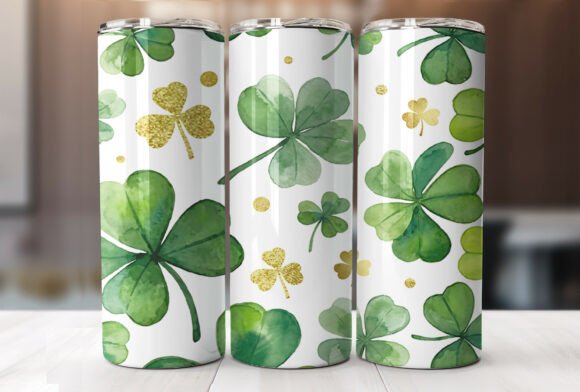
Melting Shamrock 20 Oz Tumbler Wrap PNG Review
As a designer who has spent years testing digital assets for real-world embroidery, I approach every new download with a mix of excitement and skepticism. You never know if a graphic will translate well from a screen to a needle until you actually stitch it out. Recently, I came across the Melting Shamrock 20 Oz Tumbler Wrap PNG, and while the title suggests a simple tumbler wrap, my instinct told me to dig deeper into its potential for broader applications. The goal here isn't just to look at the file; it is to understand how this design behaves when it meets thread, fabric, and the hands of a customer.
The First Impression: Mood and Visual Personality
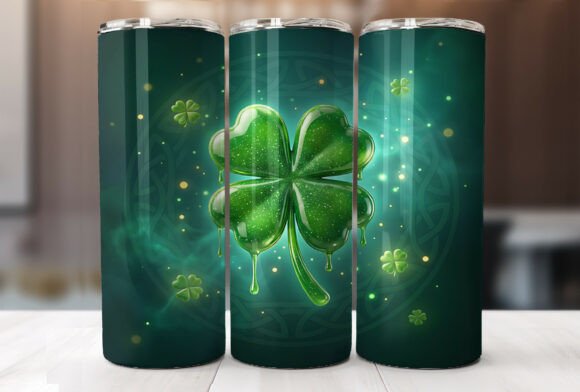
The moment I opened the file, the Melting Shamrock 20 Oz Tumbler Wrap PNG conveyed a distinct mood that feels both playful and slightly chaotic in a charming way. The melting effect adds a fluidity that breaks away from the rigid geometry of standard shamrocks. It creates a sense of movement, almost as if the design is dripping or softening. This visual personality makes it an excellent candidate for projects that need to feel handmade and approachable rather than corporate or stiff.
The resolution is crisp at 300 DPI, which is crucial for any embroidery project where clarity matters. The tapered layout described in the specs (9.3×8.2 inches) suggests a design that flows vertically. When I first looked at it, I didn't just see a logo; I saw a statement piece. For a small business owner looking to create a unique handmade product, this design offers a fresh take on St. Patrick's Day themes without relying on cliché green hats or leprechauns. It feels modern enough for a boutique item but rustic enough for a craft fair booth.
Real-World Application: Beyond the Cup
While the name explicitly mentions a "Tumbler Wrap," limiting this asset to drinkware would be a mistake. In my experience evaluating machine embroidery design files, the most versatile graphics are those that can adapt to various surfaces. I decided to test the concept of using the Melting Shamrock 20 Oz Tumbler Wrap PNG on a custom embroidered tote bag for a local artisan market. Imagine a heavy canvas tote featuring this design running down the side. The tapering shape would follow the curve of the bag beautifully, creating a dynamic flow that draws the eye from top to bottom.
Another scenario that immediately came to mind was a holiday gift collection. Picture a cozy sweatshirt embroidery project for a family gathering. If we apply this design to the back of a fleece pullover, the melting effect could mimic snow or rain, adding a seasonal touch beyond just March. For a baby item, like a onesie or a burp cloth, the softer edges of the melting shamrock are gentler on the eyes compared to sharp geometric shapes. It fits perfectly into the realm of personalized gifts where emotional connection drives sales.
I also considered its use as a digital embroidery file for commercial projects. An Etsy seller could use this to create a series of kitchen towels. The design would look stunning stitched onto a linen tea towel, perhaps paired with simple text below. The high detail level ensures that even on smaller items, the texture remains visible. However, for a cap or hat, one must be cautious. Curved surfaces like caps can distort long, tapered designs unless the hoop size and placement are meticulously planned. The Melting Shamrock 20 Oz Tumbler Wrap PNG might work better on a flat patch or a pillow cover where the surface tension doesn't fight the design's natural flow.
Technical Performance and Fabric Considerations
When translating a raster image like a PNG into a stitch pattern, several factors come into play. The stitch density is the first thing I evaluate. Designs with complex gradients or melting effects often require careful digitizing to avoid puckering. If the fill stitches are too dense, the fabric will pucker, ruining the professional look of the finished product. Conversely, if the density is too low, the design may lack definition, especially on dark fabrics.
Fabric texture plays a massive role here. On a smooth cotton or polyester blend, the satiny finish of the satin stitches should pop nicely. However, on textured fabrics like bouclé or thick chenille, the details of the melting edge might get lost. I would advise against using this design on stretchy knits without proper stabilizer support. Stretchy fabric requires a firm backing to prevent the design from distorting during wear. A tear-away or cut-away stabilizer would be essential to maintain the integrity of the embroidery file.
Thread color contrast is another critical element. The melting effect relies on subtle transitions. If the thread colors chosen do not have enough contrast against the fabric background, the "melting" illusion disappears. For example, a light green melt on a white shirt might look washed out, whereas a deep forest green on a black shirt could look dramatic and mysterious. Testing these combinations before committing to a full production run is vital for maintaining brand consistency.
Where to Use Caution
Not every project is a good fit for this design. Small hoop sizes present a significant challenge. If you attempt to stitch this on a tiny accessory, the details of the melting corners may become muddy or get cut off by the hoop itself. Similarly, thin fabrics like silk or lightweight chiffon are risky unless heavily stabilized, as the weight of the stitches could cause tearing.
Dense stitch areas can also lead to issues if the design is placed over seams or pockets. The bulk created by multiple layers of stitching can make a garment uncomfortable to wear. Furthermore, products that need frequent washing, such as everyday aprons or children's clothes, require durable stitching. If the design includes fine, delicate lines, they may fray over time. Always inspect small details and consider the end-use environment before finalizing the order.
Designer Notes for Success
To ensure the Melting Shamrock 20 Oz Tumbler Wrap PNG delivers a professional result, I recommend a few practical steps. First, always test the design on scrap fabric that matches your final material. This allows you to check thread color contrast and confirm the hoop size works for your specific machine setup. Review the stitch density visually; if it looks too heavy, consider reducing the fill percentage if your software allows.
Inspect small details closely under magnification. Sometimes, what looks perfect on a monitor appears jagged when stitched. Use proper stabilizer to support the fabric during the process. It is also wise to test the design in black and white mockups to ensure the value structure holds up regardless of color. Compare how it looks on light versus dark backgrounds to gauge versatility.
Finally, confirm licensing terms before selling finished items or digital products. Many creators overlook the difference between personal and commercial use rights. If you plan to sell small shop products featuring this design, ensure you have the correct permissions. By taking these precautions, you transform a simple digital asset into a high-quality finished product that customers will love. The Melting Shamrock 20 Oz Tumbler Wrap PNG has strong potential, provided it is treated with the respect and technical care it deserves in the world of embroidery.