St. Patrick s Mama Leopard Tumbler Wrap Review
When I first opened the files for St. Patrick s Mama Leopard Tumbler Wrap, my immediate reaction was one of cautious optimism. As a designer who spends hours agonizing over stitch counts and fabric tension, I look past the flashy preview image to see what actually holds up under the needle. This design is marketed as a graphic asset, but let's be honest: in the world of machine embroidery, a PNG file is just the blueprint. The real test happens when that digital concept meets thread, stabilizer, and a spinning hoop.
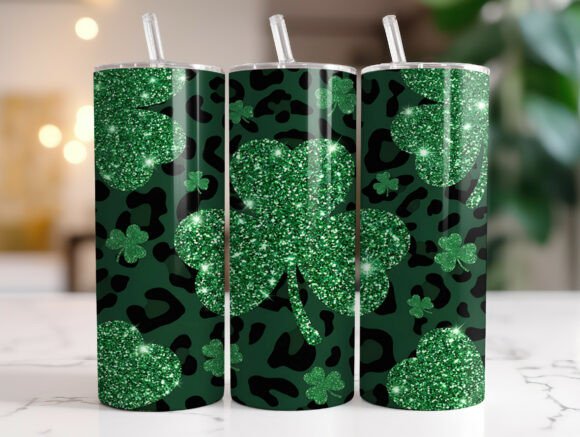
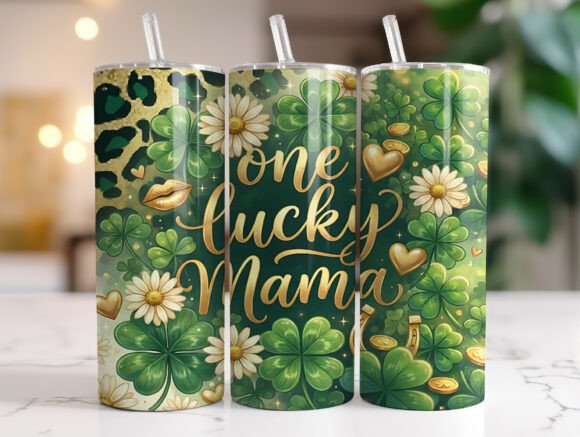
The concept itself—a leopard print motif paired with St. Patrick's Day themes—is a bold choice. It leans heavily into the "loud" aesthetic that has taken over craft fairs and boutique shops recently. Visually, it creates a mood that is playful, slightly rebellious, and undeniably festive. However, before I could even imagine stitching this onto a customer's order, I had to analyze how the layout translates from a flat screen to a three-dimensional surface. The provided dimensions of 9.3″ x 8.2″ suggest a substantial presence, which is great for visibility but potentially problematic if you are working with smaller hoops or delicate items.
Real-World Application on Custom Apparel
I recently decided to put St. Patrick s Mama Leopard Tumbler Wrap through its paces by testing it on a custom sweatshirt project for a local client. The goal was to create a statement piece for a family gathering. The design features two distinct files: a straight version and a tapered version. In a practical setting, the tapered option offered significantly more versatility. While the straight PNG would have worked perfectly on a flat tote bag or a kitchen towel, the tapered shape allowed me to wrap the design around the curved shoulder area of a hoodie without creating awkward bunching at the edges.
The visual personality of the design shines brightest on medium-weight fabrics like cotton blends or fleece. When stitched, the contrast between the green accents and the leopard pattern creates a dynamic focal point. For an Etsy seller looking to expand their holiday inventory, this design offers a unique angle. Instead of the generic shamrocks found everywhere else, this piece speaks to a specific niche: moms who love animals and want to celebrate the holiday with a bit of edge. It elevates the perceived value of the finished product because it feels curated rather than mass-produced.
However, the transition from digital to physical requires careful consideration. On a thin, stretchy jersey fabric, I noticed that the density of the fill stitches began to pull the material, causing slight distortion. This is a common issue with high-contrast graphics, but it is crucial to mention. If you are planning to use this for baby clothes or lightweight t-shirts, you must invest in high-quality cut-away stabilizer. Without it, the structural integrity of the embroidery design will suffer, leading to puckering that can ruin the handmade presentation.
Navigating Technical Challenges and Fabric Choices
Not every surface is created equal, and St. Patrick s Mama Leopard Tumbler Wrap is not a universal solution for every textile challenge. I specifically tested the design on dark fabric backgrounds to ensure the thread colors would pop. While the greens and golds stood out well against black, the lighter tones of the leopard print required a double layer of stabilizer to prevent them from sinking into the fabric weave. This is a vital note for any commercial embroiderer: always check your thread color contrast against your base material before committing to a full production run.
There are also limitations regarding where this design should be used carefully. Attempting to stitch this on a small hoop size is risky. The 9.3-inch width is generous, meaning that trying to force it into a 4x4 or 5x7 hoop will result in clipping or a loss of detail. Furthermore, textured fabrics like heavy denim or bouclé can hide the finer details of the graphic. The intricate lines that define the leopard spots might get lost in the texture of the cloth, making the final product look muddy rather than crisp.
For those considering this for curved surfaces like caps, the tapered PNG is your best friend, but even then, caution is advised. The design is dense, and on a curved crown, the tension can vary significantly from the center to the edge. I recommend running a test on scrap fabric first to gauge how the machine handles the transition from straight to tapered sections. If you are using a standard cap frame, you may need to adjust the hoop tension settings to accommodate the varying thickness of the design.
Impact on Brand Consistency and Customer Trust
In the competitive world of handmade goods, the quality of your embroidery speaks volumes about your brand. A poorly executed design can lead to returns and damaged reputation, while a well-executed one builds trust. St. Patrick s Mama Leopard Tumbler Wrap has the potential to boost buyer engagement because it tells a story. It isn't just a pattern; it represents a persona. When a customer sees a finished product with this level of detail, they perceive higher value, which justifies a premium price point.
For small business owners and craft fair vendors, this design is particularly effective for personalized gifts. Imagine a mother receiving a custom apron or a pillow cover featuring this motif during the holidays. The emotional connection is stronger because the design feels tailored to her interests. However, to maintain professional standards, you must ensure the stitching clarity is perfect. Any skipped stitches or loose threads will undermine the effort you put into the design selection. Inspect every small detail, especially the corners of the taper, to ensure they are sharp and defined.
It is also important to consider the longevity of the finished product. Designs with dense stitch areas require frequent washing care instructions. Customers expect their embroidered items to withstand regular use, so confirming that the design works well with proper stabilizer and thread types is essential. If the design sits too heavily on the fabric, it may crack or peel after a few washes, which is a major concern for anyone selling durable merchandise.
Essential Designer Notes Before You Stitch
Before you download and start stitching, there are several technical steps you must take to ensure success. First, verify the file formats. The product description mentions a Straight PNG and a Tapered PNG, both at 300 DPI. While these are excellent for printing mockups, remember that you cannot stitch a PNG directly. You will need to convert these graphics into a valid embroidery file format compatible with your machine, such as .DST, .PES, or .JEF, depending on your system.
Review the stitch density carefully. High-resolution graphics often translate to high stitch counts, which can overwhelm thinner fabrics. If you plan to use this for commercial embroidery projects, confirm the licensing terms regarding selling finished items. Some digital assets allow for personal use only, while others permit commercial sales. Check the fine print to avoid legal issues down the line.
Finally, test the design in black and white mockups to see how the contrast holds up without the distraction of color. This helps identify potential issues with the layout that might not be obvious in full color. Compare light and dark fabric backgrounds to determine the optimal thread palette. Whether you are creating a tote bag design, sweatshirt embroidery, or holiday embroidery, taking the time to prep properly will save you hours of frustration and ensure that your finished product looks as good as the digital preview.
Ultimately, St. Patrick s Mama Leopard Tumbler Wrap is a versatile and eye-catching asset for the right project. With careful attention to fabric selection, stabilizer usage, and conversion methods, it can become a standout piece in your portfolio. Just remember that the magic lies not just in the graphic, but in the execution.