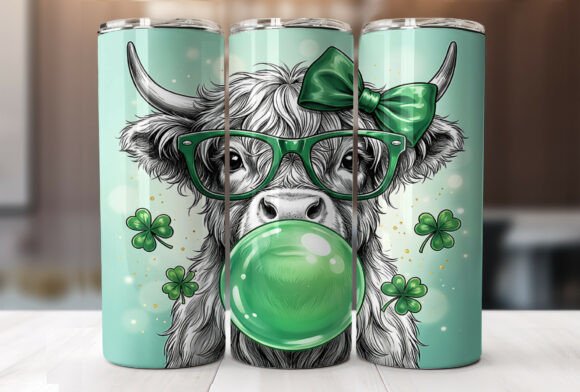
St Patricks Highland Cow Green Tumbler Review
I have spent years evaluating digital assets for my embroidery business, and I know that the difference between a successful finished product and a frustrating mess often comes down to the design itself. Today, I am putting St Patricks Highland Cow Green Tumbler under the microscope. This is not just another graphic; it is a specific asset intended for tumbler wraps and custom graphics, but as a designer, I am interested in how this visual translates when we talk about stitching, texture, and real-world application.
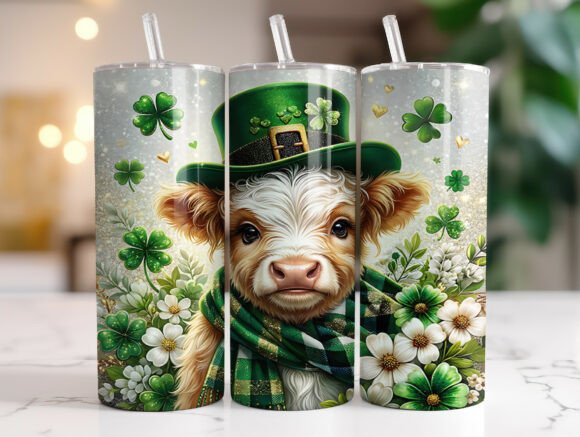
The first thing you notice with St Patricks Highland Cow Green Tumbler is the mood. It immediately evokes a sense of playful tradition mixed with modern craft aesthetics. The highland cow motif is already a crowd-pleaser, offering a whimsical character that resonates well with families and animal lovers. When you layer the St. Patrick's Day theme into that mix, you get a design that feels festive without being overwhelming. For an embroidery project, this balance is crucial. If the concept is too busy, the stitches will fight each other; if it is too simple, the piece lacks personality. This design strikes a middle ground that suggests it could work beautifully on holiday merchandise or seasonal gifts.
Real-World Application: From Digital File to Finished Product
Let me walk you through a scenario I recently considered while browsing potential assets for my small shop. Imagine you are preparing a collection of custom embroidered tote bags for a local craft fair coming up next month. You want something unique that captures the spirit of spring and Irish heritage. You pull up St Patricks Highland Cow Green Tumbler to see if it fits the vision. Because the file is provided as a PNG at 300 DPI, the initial visual inspection is crisp, which is a good sign for clarity.
However, converting a graphic like this into a machine embroidery design requires more than just a clear image. You have to think about stitch density and how the design will sit on fabric. In this hypothetical case, I would be looking at using this design for a large patch or a central motif on a heavy-duty canvas tote bag. The tapered shape mentioned in the description suggests it might fit well on curved surfaces or items where space is limited, like a baby onesie or a kitchen towel. The green color palette is vibrant, which usually translates well to thread choices, allowing for rich emerald and shamrock tones that pop against white or cream backgrounds.
If you are an Etsy seller looking to expand your inventory, this design could serve as a strong anchor for a "Spring Collection." Customers love personalized gifts, and a highland cow wearing a little green hat or surrounded by clovers offers endless customization possibilities. You could pair this with a satin stitch border to give it a polished look, making it suitable for a boutique product line. The key here is understanding that while the original file is a graphic, the end goal is a tactile experience. The design needs to hold its shape after hundreds of stitches, and the details must remain distinct even when the thread compresses the fabric slightly.
Where to Exercise Caution with This Design
As much as I appreciate the charm of St Patricks Highland Cow Green Tumbler, there are specific scenarios where this design might require careful handling or adaptation. Not every surface is created equal, and what looks great on a screen can sometimes struggle on a textured fabric.
First, consider the hoop size. If you attempt to use this design on a very small hoop, such as one meant for a cap or a tiny accessory, you risk losing detail. High-density fill stitches in small areas can cause the fabric to pucker, especially if you are working with thin materials. If you plan to use this for a baby item, ensure that the stabilizer choice is appropriate to prevent the fabric from distorting around the intricate lines of the cow. Thin fabrics like light cotton tees might need extra backing support to handle the weight of the embroidery without warping.
Another area to watch is dark fabric. While the design features green tones, the contrast might be lost if you are stitching directly onto a black sweatshirt or a navy blue apron without proper underlay or topstitching techniques. In these cases, you might need to adjust the thread colors or add a contrasting outline to ensure the highland cow stands out clearly. Additionally, if you are planning to wash the finished product frequently, check the stability of the design. Decorative accents that rely on fine running stitches might fray over time if they are not secured properly during digitization.
Curved surfaces like caps present another challenge. While the tapered nature of the design might seem adaptable, the curvature of a hat can stretch the fabric unevenly, potentially causing the straight lines of the graphic to appear warped. Testing on a scrap piece of similar material is essential before committing to a customer order.
Impact on Brand Value and Customer Trust
In the world of handmade products, the quality of the embroidery speaks volumes about your brand. A well-executed St Patricks Highland Cow Green Tumbler design can significantly boost the perceived value of your item. When a customer receives a personalized gift that looks professional and clean, they are more likely to trust your craftsmanship and return for future purchases. Conversely, a design that looks messy or has loose threads can undermine your reputation as a reliable maker.
This design also offers excellent versatility for commercial embroidery projects. Whether you are creating matching sets for a family reunion, branding for a small shop, or holiday-themed apparel, the visual personality of the highland cow adds a touch of warmth and approachability. It helps differentiate your products from generic mass-produced items. By carefully selecting the right thread colors and ensuring the stitch density is balanced, you can create a finished product that feels premium and thoughtful.
Practical Designer Notes for Implementation
Before you jump into production, here are some essential steps to ensure success with this asset:
- Test on Scrap Fabric: Always run a test stitch on a piece of scrap material that matches your final product. This helps you gauge how the fabric reacts to the tension and density of the design.
- Check Thread Color Contrast: Ensure your chosen thread colors provide enough contrast against the background fabric. The green tones should pop, not blend in.
- Review Stitch Density: Look closely at the fill areas. If the design is too dense, it may cause puckering. If it is too sparse, it might lack definition.
- Confirm Hoop Size: Verify that the dimensions of the design fit comfortably within your machine's hoop capabilities for the specific garment you are using.
- Inspect Small Details: Zoom in on the finer elements of the highland cow. Are the eyes and ears distinct? Will they survive the stitching process?
- Test Black and White Mockups: Convert the design to grayscale to see if the composition holds up without the distraction of color.
- Use Proper Stabilizer: Select a stabilizer that supports the fabric type. Heavy-duty items need heavy stabilizers, while delicate fabrics need lightweight options.
- Licensing Check: Confirm whether the license allows for commercial use if you intend to sell finished items made with this design.
Ultimately, St Patricks Highland Cow Green Tumbler is a promising asset for anyone looking to add a touch of whimsy and tradition to their embroidery projects. By approaching it with a critical eye and following practical testing protocols, you can transform this digital graphic into a stunning, market-ready product. Whether you are a seasoned pro or a hobbyist looking to start a side hustle, taking the time to evaluate the design's limitations and strengths will pay off in the quality of your final output.