Daisy Flower Deer Forest Tumbler: A Designer’s Review
As a designer who spends half my life staring at stitch maps and the other half trying to convince clients that "handmade" justifies the price tag, I am always looking for designs that bridge the gap between artistic whimsy and commercial viability. Today, I’m putting Daisy Flower Deer Forest Tumbler under the microscope. This isn’t just another clip-art file; it is a specific asset intended for laser wrap applications on tumblers, but its visual language speaks loudly to anyone working in embroidery, sublimation, or vinyl cutting.
I recently received this graphic while scouting assets for a small boutique line focused on rustic, nature-inspired home goods. The product description highlights that it is precision-made for smooth wraps and clean engraving lines, which immediately caught my eye. But can it translate? Can a design meant for laser etching on metal hold up when we think about texture, fabric, and the tactile nature of handmade products? Let’s break down how this design performs in real-world scenarios.
First Impressions: Mood and Visual Personality
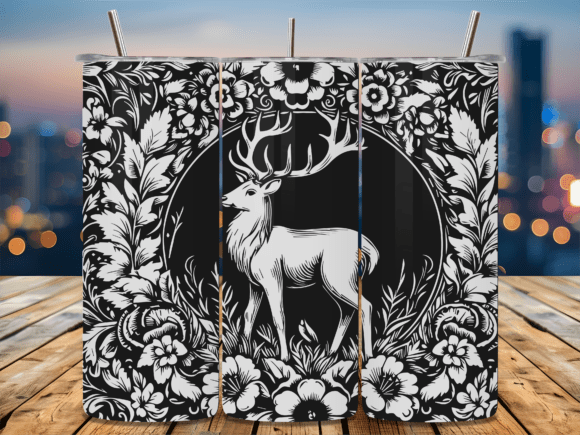
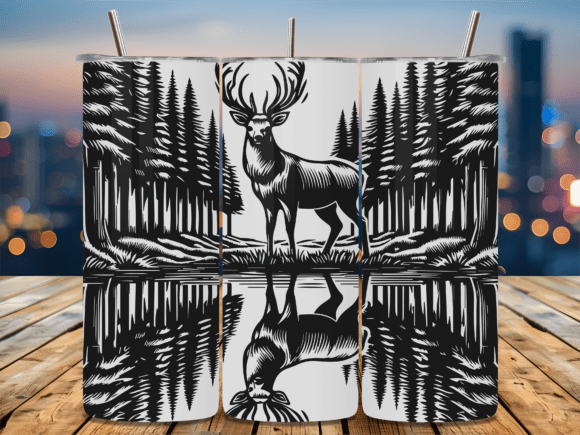
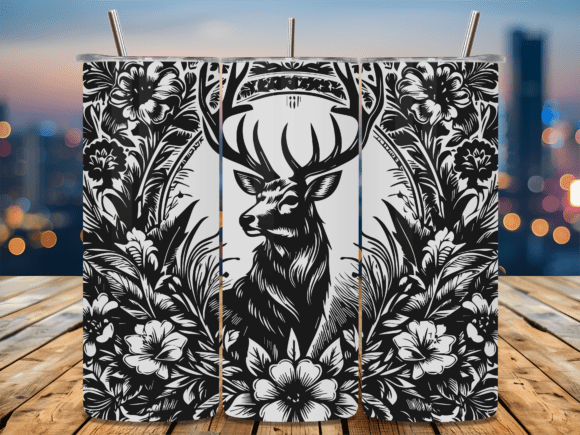
The first thing you notice about Daisy Flower Deer Forest Tumbler is its cohesive narrative. It doesn’t feel like a random assortment of elements glued together. Instead, it creates a distinct mood—serene, organic, and slightly nostalgic. The interplay between the floral daisies and the forest deer motif suggests a storybook quality that resonates deeply with current trends in nursery decor, cottagecore aesthetics, and eco-friendly branding.
From a layout perspective, the design feels balanced. For an embroidery designer, balance is everything. If a design is too heavy on one side, it will drag on the hoop or look lopsided on a finished tote bag. This graphic appears to have a central focal point that allows for flexible placement. Whether you are centering it on the chest of a sweatshirt or placing it off-center on a kitchen towel, the composition holds its own. The detail level is sophisticated enough to look professional but not so intricate that it becomes a stitching nightmare. It strikes that rare sweet spot where complexity meets clarity.
Real-World Application: Beyond the Tumbler
While the primary use case is engraved tumblers, let’s talk about versatility. As an Etsy seller or craft business owner, you know that diversifying your product line is key to survival. How does this design translate to other mediums?
Custom Apparel and Accessories
Imagine this design embroidered on a heavyweight cotton canvas tote bag. The contrast between the sturdy fabric and the delicate floral details would create a beautiful textural interplay. It works exceptionally well as a tote bag design because the theme aligns perfectly with the utilitarian yet stylish nature of reusable bags. Similarly, on a soft fleece sweatshirt, the design could serve as a comforting, heartwarming element. It fits the vibe of sweatshirt embroidery that targets customers looking for comfort and aesthetic warmth.
Baby Items and Nursery Decor
The innocence of the deer and the simplicity of the daisies make this a strong candidate for baby products. Picture this on a muslin burp cloth, a hooded towel, or a crib pillow cover. In the realm of baby embroidery, safety and softness are paramount, but so is visual appeal. Parents often gravitate towards nature themes because they feel timeless. Using this as part of a personalized gift set—perhaps paired with a monogrammed name—could significantly boost perceived value.
Home Goods and Kitchen Textiles
I also see potential here for kitchen towels and aprons. The rustic charm of the forest theme pairs beautifully with linen or flax fabrics. It adds a touch of elegance without being overly formal. For a small shop product aimed at homebodies, this design elevates a basic tea towel into a curated piece of decor.
Strategic Considerations and Limitations
No design is perfect for every situation, and honest review requires acknowledging where Daisy Flower Deer Forest Tumbler might struggle. Understanding these limitations is what separates a pro from a hobbyist.
Fabric Texture and Stability
If you plan to use this on textured fabrics like chunky knits or bouclé, you may face challenges. The fine details of the daisies might get lost in the weave. It is crucial to test the design on scrap fabric first to ensure the stitches register clearly. Additionally, stretchy fabrics require careful stabilization. Without proper stabilizer support, the design could pucker, ruining the clean lines that the original graphic promises.
Small Hoop Sizes and Detail Loss
While the design is detailed, shrinking it down to fit a tiny hoop size (like 4x4 inches) might cause some elements to merge. On a custom apparel item like a cap or a small patch, the deer’s antlers or the flower petals might become indistinguishable blobs of thread. In these cases, relying solely on satin stitch for outlining might help define the shapes, but you must inspect the digitization closely. If the file is vector-based, scaling it down is safe, but if it is raster-based, pixelation could be an issue.
Color Contrast and Thread Selection
The success of any embroidery project relies heavily on thread colors. Against dark fabric, you will need a high-density underlay and potentially white or light-colored threads to make the design pop. Conversely, on light fabrics, darker threads provide better definition. Always test your color palette. A common mistake is using low-contrast threads that blend into the background, making the embroidery project look muddy rather than crisp.
Practical Notes for the Embroidery Designer
Before you rush to produce a batch of finished products, there are several technical steps you should take to ensure quality and compliance.
- Test on Scrap Fabric: Never go straight to the final product. Run the design on a similar fabric type to check for puckering, tension issues, and stitch clarity.
- Check Stitch Density: Ensure the stitch density is appropriate for the fabric weight. Too dense, and you risk damaging delicate materials; too sparse, and the design looks thin and cheap.
- Verify Licensing: This is critical for commercial embroidery and Etsy sellers. Confirm whether you have the right to sell physical items made from this design. Some graphics are for personal use only, while others allow commercial resale. Do not assume permission; read the terms.
- Inspect Small Details: Zoom in on the digital file. Are the tiny leaves or whiskers defined clearly? If not, consider simplifying the design digitally before converting it to an embroidery file.
- Use Proper Stabilizer: Depending on the garment, you may need cut-away or tear-away stabilizer. Getting this wrong can lead to failed projects and frustrated customers.
Final Verdict: Value and Brand Consistency
So, does Daisy Flower Deer Forest Tumbler deliver? Yes. It offers a high-quality visual asset that can elevate a wide range of handmade products. Its strength lies in its emotional resonance—it evokes feelings of peace and nature, which are powerful selling points in today’s market.
For the craft business owner, this design provides a versatile foundation for creating a cohesive brand identity. Whether you are selling digital embroidery files or physical goods, the consistent use of such thematic elements builds trust and recognition among buyers. It feels intentional, curated, and professional.
However, remember that the design is only as good as its execution. The magic happens in the stitching, the finishing, and the presentation. Use this graphic as a tool to tell a story, but invest the time in perfecting the technical aspects of your production process. When done right, a simple image of a deer and flowers can become a cherished keepsake for a customer, driving repeat business and positive reviews. That is the true value of a well-chosen design asset.
In conclusion, Daisy Flower Deer Forest Tumbler is a strong addition to the toolkit of any creative entrepreneur. It bridges the gap between digital graphics and tangible crafts seamlessly, offering endless possibilities for personalized gifts and small business merchandise. Just remember to test, stabilize, and license correctly, and you will find this design to be a reliable workhorse in your portfolio.