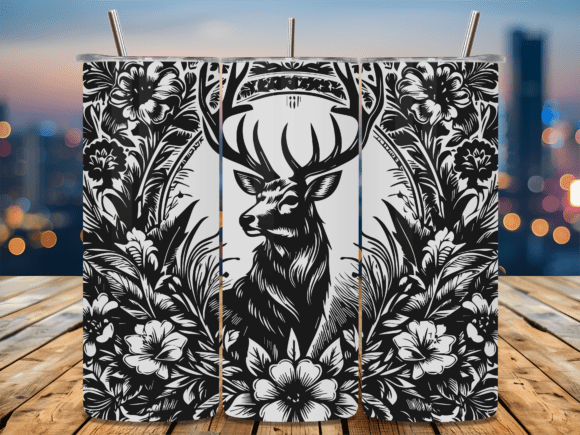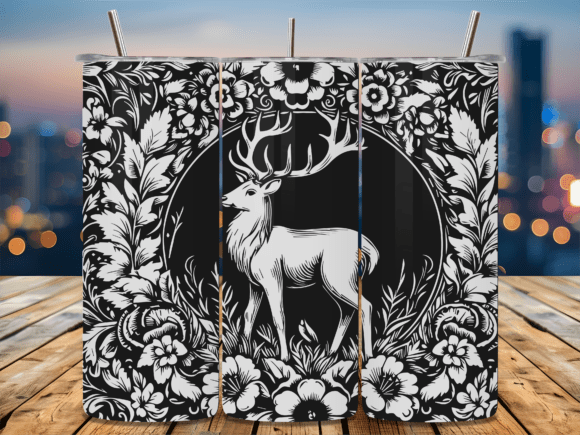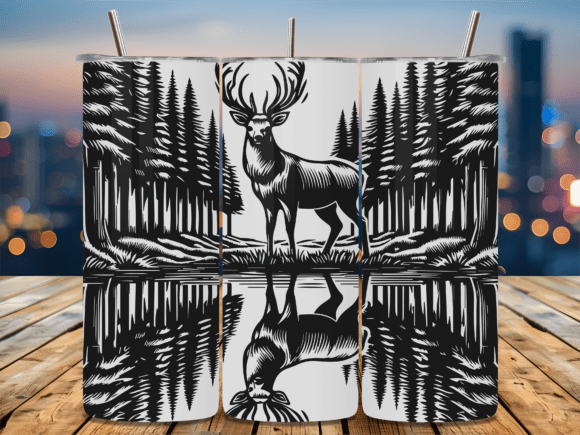
Wildlife Animal Deer Pine Tumbler Review
As a designer who spends more time than I care to admit staring at stitch lines and debating thread contrast, I approach every new machine embroidery design with a healthy dose of skepticism. The market is flooded with generic clip art dressed up as embroidery files, but occasionally, something catches the eye for its composition, mood, and practical application. Today, I am putting Wildlife Animal Deer Pine Tumbler through its paces. This isn’t just about whether it stitches well; it is about whether it translates into a sellable, beautiful handmade product that stands out in a crowded marketplace.
The concept here is rooted in the "Laser Wrap" aesthetic, which suggests a seamless, all-over or large-format visual rather than a small, isolated logo. For an embroidery project, this distinction is critical. It changes how we think about placement, hoop size, and the overall visual weight of the final piece. My goal in this review is to determine if this graphics file holds up under the scrutiny of real-world production, specifically for those of us running craft business operations or selling on platforms like Etsy.
First Impressions: Mood and Visual Personality
When you first load Wildlife Animal Deer Pine Tumbler onto your screen, the immediate takeaway is its rustic, organic charm. The combination of wildlife motifs—specifically deer—and pine elements taps directly into the cabin-core and nature-inspired trends that have been dominating home decor and apparel for several years. It feels grounded, warm, and inviting. This is not a minimalist, corporate design; it is a statement piece that screams "outdoor lifestyle."
Visually, the layout appears designed to wrap around cylindrical objects, which makes sense given the "Tumbler" descriptor. However, as an experienced reviewer, I immediately look past the intended container to see where else this design could live. The density of the pine branches and the positioning of the deer suggest a balanced composition that works well when centered or repeated. It has a visual personality that is both playful and sophisticated, making it versatile enough for a child’s nursery item or a trendy adult accessory. The color palette implied by the name—likely deep greens, earthy browns, and soft tans—promises high contrast against lighter fabrics, which is always a win for stitching clarity.
Real-World Application: Beyond the Tumbler
While the product description highlights its use for engraved tumblers, limiting this design to drinkware would be a missed opportunity. In my experience, the most successful Etsy seller strategies involve repurposing designs across multiple categories. Here is how I envision Wildlife Animal Deer Pine Tumbler performing in other common custom apparel and home goods scenarios.
- Sweatshirt Embroidery: Imagine this design placed centrally on the back of a heather grey crewneck sweatshirt. The wrap-around nature of the design could create a stunning, immersive look that wraps from the front pocket area to the back. It transforms a basic garment into a boutique-level piece.
- Tote Bag Design: Canvas tote bags are a staple for craft fairs. Using this as an applique design or a dense fill-stitch print on the side panel of a canvas bag would appeal to shoppers looking for eco-friendly, nature-loving accessories. The sturdy fabric can handle the potential density of the pine elements without puckering.
- Baby Embroidery: There is a surprising demand for woodland-themed items for nurseries. If scaled down appropriately, this design could work beautifully on a muslin swaddle blanket or a hooded towel. The softness of the deer motif contrasts nicely with the rugged pine, creating a gender-neutral aesthetic that parents love.
- Embroidered Patch: For those interested in adding badges to denim jackets or backpacks, this design could be digitized into a standalone patch. The natural borders provided by the pine branches make it easy to create a clean edge without excessive trimming.
The versatility of this digital embroidery file lies in its thematic strength. It fits seamlessly into holiday seasons (think fall and winter holidays), wedding guest gifts, and seasonal decor. When you present these items as personalized gift options, the emotional connection is stronger because the imagery resonates with specific lifestyles.
Technical Performance and Stitch Clarity
Let’s talk about the nuts and bolts. How does Wildlife Animal Deer Pine Tumbler behave under the needle? The key factor here is stitch density. Designs featuring detailed foliage like pine needles can sometimes become muddy if the stitch count is too high or if the thread colors lack sufficient contrast. From a design perspective, the separation between the deer figure and the background elements needs to be clear. If the pine branches are too dense, they might obscure the details of the animal, turning it into a silhouette rather than a distinct character.
I recommend testing this file with a variety of thread colors. A monochromatic scheme using different shades of green might look artistic but could lose definition. A contrasting scheme, such as a white or cream deer against a dark forest green background, will likely yield the crispest results. This is especially important if you are using satin stitch for outlines or running stitch for fine details. You want to ensure that the fine lines remain sharp and do not break during the stitching process.
Another technical consideration is the hoop size. Since this is described as a wrap design, it may exceed standard 4x4 or 5x7 hoops. You will need to plan for multi-hooping or larger commercial machines. Proper hooping technique is essential to prevent distortion, particularly if you are working with knit fabrics like those used in sweatshirts or baby clothes. Always use the appropriate stabilizer—cut-away for knits and tear-away for wovens—to maintain the integrity of the design.
Where to Use With Caution
Not every surface is created equal. While Wildlife Animal Deer Pine Tumbler is robust, there are situations where it might struggle. Avoid placing this on highly textured fabrics like bouclé or heavy chenille, as the texture can interfere with the needle penetration and obscure the finer details of the pine branches. Similarly, stretchy fabrics require extra stabilization; if the base material stretches during stitching, the wrap design may warp, ruining the alignment.
Also, consider the end-user maintenance. If this design is applied to a kitchen towel or an apron that will be washed frequently, ensure the stitches are secure. Dense fill stitches can trap lint and water, so proper finishing is key. For commercial embroidery projects where durability is paramount, inspect the design for any loose ends or areas that might snag easily.
Final Verdict: Is It Worth Adding to Your Assets?
For designers looking to expand their design assets library, Wildlife Animal Deer Pine Tumbler offers strong value. It taps into a perennially popular theme with a modern, wrap-style execution. Its ability to transition from drinkware to apparel and home decor makes it a flexible tool for small shop product development.
Before purchasing or integrating this into your workflow, I advise taking these practical steps:
- Test on Scrap Fabric: Never trust a design until you have stitched it out. Check for thread breaks, tension issues, and overall visual balance.
- Check Licensing: Ensure you have the rights to sell finished products made with this file, especially if you are using it for commercial embroidery.
- Create Mockups: Use printable mockups to visualize how the design looks on different backgrounds and products before committing to production.
- Review Small Details: Zoom in on the digital file. Are the pine needles distinct? Is the deer’s anatomy correct? These small details separate professional-looking products from amateur ones.
In conclusion, Wildlife Animal Deer Pine Tumbler is more than just a pretty picture; it is a functional, aesthetically pleasing design that can elevate your embroidery project offerings. It brings a sense of nature and warmth that customers respond to positively. If you are ready to add a touch of wilderness to your handmade product line, this design deserves a spot in your rotation. Just remember to test thoroughly, stabilize properly, and let the quality of your stitching speak for itself.