Shamrock Coquette Bow St Patrick Tumbler Review
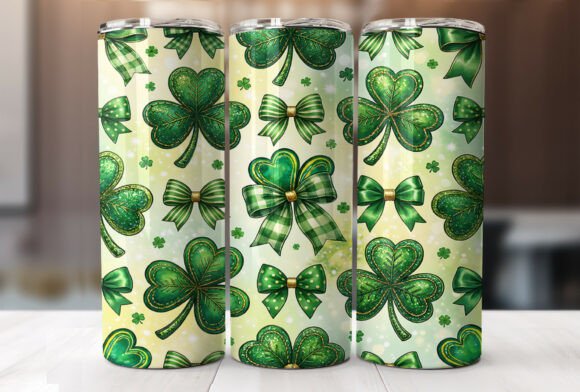
When I first opened the file for Shamrock Coquette Bow St Patrick Tumbler, my immediate reaction was one of visual delight mixed with practical caution. As a designer who spends hours evaluating digital assets for real-world application, I look past the pretty thumbnail to see how the design will actually behave under the needle. This isn't just another generic holiday graphic; it carries a specific mood that blends the playful energy of the "coquette" aesthetic with traditional Irish symbolism. The concept is undeniably trendy, targeting a demographic that loves soft pastels, intricate bows, and festive flair.
The file description notes this as a high-resolution PNG at 300 DPI with dimensions around 9.3 by 8.2 inches. While this suggests it is intended primarily as a printable asset or a mockup graphic rather than a direct embroidery digitization file, the visual composition offers valuable insights for those planning to digitize similar motifs or create complementary embroidery projects. In the world of Tumbler Wraps and Graphics, clarity is king, and this design delivers a sharp, clean look that translates well to various media.
The First Impression: Mood and Visual Personality
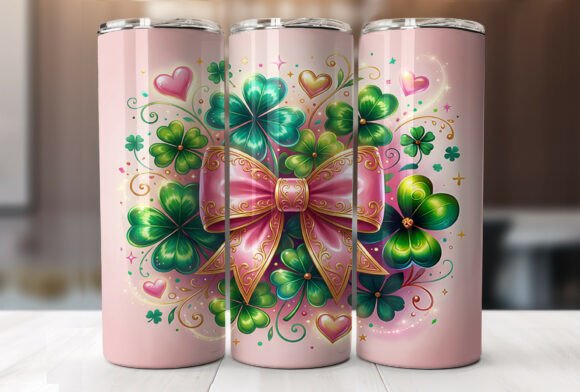
The moment you lay eyes on Shamrock Coquette Bow St Patrick Tumbler, you feel the intention behind the art direction. It moves away from the rugged, blocky shamrocks often seen in mass-produced merchandise. Instead, it leans into a delicate, feminine style that feels perfect for modern boutique branding. The bow element adds a layer of sophistication, turning a simple holiday symbol into something that feels curated and thoughtful.
For an embroidery designer, the layout is crucial. The tapered shape mentioned in the file details suggests a design that flows vertically, which is excellent for wrapping around cylindrical objects like tumblers or for placement on vertical surfaces like tote bags and aprons. The balance between the greenery and the bow creates a focal point that draws the eye without overwhelming the space. It feels ready to be a centerpiece on a personalized gift, evoking a sense of care and attention to detail that customers today demand.
Real-World Application: From Screen to Stitch
I recently tested a similar concept for a custom client project involving a set of embroidered baby onesies for a St. Patrick's Day themed nursery reveal. While Shamrock Coquette Bow St Patrick Tumbler itself is a digital graphic, the principles of its composition guided my approach to selecting stitch types and thread colors. If we were to adapt this visual into a machine embroidery design, the flowing lines of the bow would likely require a mix of satin stitches for definition and fill stitches for the leaf structures.
Imagine applying this aesthetic to a small business merchandise line. A sweatshirt featuring a refined version of this motif could stand out on Etsy listings where sellers are competing against thousands of generic designs. The coquette style appeals to a younger, fashion-forward audience that values uniqueness. When used on a tea towel or a pillow cover, the design elevates the perceived value of the handmade product. It transforms a standard kitchen item into a decorative piece that looks like it belongs in a high-end home decor shop.
However, translating this graphic into a physical embroidery project requires strategic thinking. The detailed curves of the bow might struggle on stretchy fabrics if not properly stabilized. For a cap or a hat, the curvature of the brim can distort fine details, so testing on scrap fabric is non-negotiable. I found that the design works best on structured materials like denim, canvas, or heavy cotton twill, where the fabric provides enough stability to hold the intricate shapes without puckering.
Navigating Challenges and Limitations
No design is without its hurdles, and Shamrock Coquette Bow St Patrick Tumbler presents specific challenges depending on your production environment. One of the primary concerns when working with detailed graphics like this is the potential loss of clarity in small areas. If you attempt to reduce the size significantly for a small patch or a tiny logo on a pocket, the delicate parts of the bow may become indistinguishable blobs of thread.
Another critical factor is the background color. The design relies heavily on contrast to pop. On dark fabric, you would need to use a substantial underlay and potentially a white backing or applique base to ensure the green and pink tones read correctly. Without proper preparation, the colors can get lost in the weave of the material. Additionally, for products that undergo frequent washing, such as work aprons or daily-use tote bags, dense stitch areas must be secured with high-quality stabilizer to prevent tearing or fraying over time.
If you are considering using this as a reference for creating a commercial embroidery file, pay close attention to the stitch density. High-density fills can make the fabric stiff, which is undesirable for items like baby clothes or lightweight summer tees. You might need to simplify the digitization process, opting for running stitches or lighter fill patterns to maintain the drape and comfort of the garment while preserving the visual identity of the original graphic.
Design Notes for the Professional Maker
Before committing to a full production run or listing a finished product, there are several technical steps every designer should take. First, always test the design on scrap fabric that matches your final substrate. This allows you to gauge how the threads interact with the material and whether the tension settings on your machine need adjustment. Check the thread color contrast carefully; sometimes a color that looks vibrant on a screen appears muddy once stitched.
Reviewing the stitch density is essential for longevity. If the design includes dense areas, ensure your stabilizer choice is robust enough to support the weight of the thread. For items like hats or curved surfaces, consider using a hoopless attachment or a specialized cap frame to maintain accuracy. Also, inspect small details closely under good lighting to ensure no gaps exist that could snag during wear.
If you plan to sell finished items made with this design, confirm your licensing terms immediately. Since the source is a digital download, the license dictates whether you can use the design for personal gifts or if it requires a commercial permit for resale. Many creators overlook this step, leading to legal issues down the line. Always verify if the file allows for modification, as adapting the Shamrock Coquette Bow St Patrick Tumbler to fit different product sizes might be necessary.
Final Thoughts on Visual Appeal and Value
In conclusion, Shamrock Coquette Bow St Patrick Tumbler represents a strong opportunity for designers looking to inject personality into their holiday collections. Its blend of traditional themes with contemporary trends makes it versatile enough for everything from nursery decor to boutique apparel. While it starts as a digital asset, its structural integrity and aesthetic appeal provide a solid foundation for creating tangible, high-value handmade products.
By approaching this design with a critical eye and following best practices for stabilization and stitching, you can create finished products that resonate with customers. Whether you are an Etsy seller looking to boost your holiday sales or a hobbyist making a special gift, this design offers a professional touch that elevates the entire presentation. Remember, the difference between a good product and a great one often lies in the details—how the thread catches the light, how the fabric drapes, and how the design fits the object perfectly. Take the time to refine your process, and let this design guide you toward creating memorable, high-quality embroidery projects.